Facebook
 X
X
 Pinterest
 Copy Link
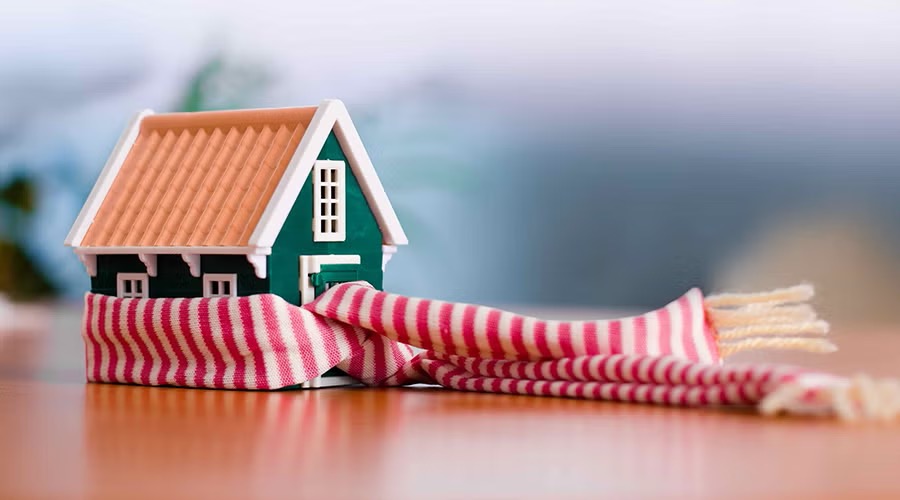
Winterize Your Lancaster County Home Before the First Freeze
I’m Austin Curtiss, a Coldwell Banker realtor here in Lancaster County. Every October I watch the same thing happen: the first real cold snap hits, and my phone lights up with homeowners dealing with burst spigots, dead furnaces, and heating bills that make them want to cry. Almost all of it was preventable with a weekend of work in October.
Lancaster County’s housing stock makes this urgent. So many of our homes are 50, 80, even 100-plus years old. Farmhouses, city rowhomes, stone twins, Victorians with original windows. These are beautiful homes, and they need a little more love before winter than a 2015-built suburban colonial does.
Here’s your practical winterizing checklist, local edition.
Service the Furnace Now, Not in January
This is number one for a reason. If your furnace hasn’t been serviced in the last year, call an HVAC tech in October. A fall tune-up catches cracked heat exchangers, failing igniters, and clogged filters before they become a no-heat emergency on a 19-degree night.
HVAC companies book up fast once the cold hits, and emergency service calls cost more. An October appointment is cheaper, calmer, and actually available. Change your filter while you’re at it, then set a reminder to change it monthly through winter.
If you have an older boiler system, common in Lancaster city rowhomes, have it checked too. Bleed the radiators so heat actually reaches every room.
Seal the Drafts on Old Windows and Doors
Original windows are charming and they leak like crazy. You don’t need full replacements before winter. You need a Saturday and a few cheap fixes:
- Apply shrink-film window insulation kits to single-pane windows, especially in rooms you don’t use daily.
- Re-caulk cracked seals around window and door frames.
- Add or replace worn weatherstripping on exterior doors.
- Hang heavy curtains on the draftiest windows. They look good and they work.
Rowhomes and old farmhouses lose a shocking amount of heat through gaps you can feel with your hand on a windy day. Walk the house on a breezy October afternoon and find them. Every draft you seal is money back on your heating bill.
Shut Off and Drain Outdoor Spigots
This is the single most common freeze claim I hear about. If your hose is still connected when the first hard freeze hits, water backs up into the pipe and it bursts inside the wall. You won’t know until spring, when you turn the spigot on and water pours into your basement.
Disconnect every hose. If you have interior shut-off valves for exterior spigots, close them and open the outside spigot to drain. If you don’t have shut-offs, at minimum get the hoses off and consider insulated faucet covers. It takes ten minutes.
Clean the Gutters Before the Leaves Finish Falling
Lancaster County’s mature trees are gorgeous in October and brutal on gutters. Clogged gutters overflow, water runs down the foundation, and in winter that overflow becomes ice dams that back water under your shingles.
Clean them once the bulk of the leaves are down, usually late October or early November here. While you’re up there, check that downspouts direct water at least a few feet away from the foundation. For older stone foundations, common on farmhouses, keeping water away from the base is everything.
What Landlords Forget
If you own a rental, October is your month to protect your investment:
- Service the heating system in every unit, not just your own home.
- Make sure tenants know where the main water shut-off is and how to reach you in an emergency.
- Check smoke and CO detectors in every unit. Pennsylvania law requires them, and dead batteries in October become a liability in January.
- Insulate exposed pipes in crawl spaces and unheated basements, especially in older duplexes and converted rowhomes.
A vacant unit between tenants in November is a frozen-pipe disaster waiting to happen. Keep the heat on at a minimum setting, no lower than 55 degrees, even when it’s empty.
What New Homeowners Forget
Just bought your first place this year? Congratulations, and here’s what catches new owners off guard:
- You don’t know the house’s winter personality yet. Every old house has quirks: the room that never warms up, the pipe that runs along the cold wall, the window that ices on the inside. Ask the previous owner or your home inspector’s report for clues.
- Find your main water shut-off now. Not when water is spraying. Walk down to the basement today and make sure you can find it and turn it.
- Check the attic insulation. Many older Lancaster County homes are under-insulated up top. It’s one of the highest-payback improvements you can make.
- Know your heating fuel situation. Oil heat? Check the tank level and schedule a delivery before winter pricing peaks. Propane? Same deal.
The Resale Angle: Winterized Homes Show and Appraise Better
Here’s the part that matters for my world. When I walk a listing in January, I can tell in about sixty seconds whether the home was winterized. Warm, dry, no drafts, clean gutters, a serviced furnace with the sticker on it. That home shows better, photographs better, and appraises cleaner.
Appraisers notice deferred maintenance. Buyers notice cold rooms and drafty windows. A home that’s been cared for through the seasons signals a cared-for home, period. If you’re thinking about selling in the spring, your October winterizing is the first step of your listing prep. Start now and you’re ahead of every seller who waits until March.
Frequently Asked Questions
When should I winterize my home in Lancaster County?
October is ideal. You want everything done before the first hard freeze, which typically arrives in November. Furnace techs and contractors get booked solid once temperatures drop, so earlier in the month is better.
My home is over 80 years old. Is there anything extra I should do?
Pay special attention to pipe insulation in unheated areas like crawl spaces and old stone basements, check for knob-and-tube era gaps around the attic, and be realistic about single-pane windows. Insulation film and heavy curtains go a long way without the cost of replacements.
How often should I service my furnace?
Once a year, in the fall before heating season. If you have both heating and cooling on the same system, some techs recommend twice a year, but at minimum get the heating side checked every October.
Do I really need to disconnect my garden hose?
Yes. A connected hose traps water in the spigot pipe, and when it freezes it expands and cracks the pipe inside your wall. It’s the most preventable and most common freeze damage I see. Ten minutes in October saves thousands in spring.
Will winterizing really affect my home’s appraisal or sale price?
Directly and indirectly. A serviced furnace, clean gutters, sealed windows, and no signs of water damage all read as a well-maintained home to buyers and appraisers. Deferred maintenance does the opposite. Winterizing is cheap listing prep.
Thinking About Selling Next Spring? Start Now
If there’s even a chance you’ll list your home in 2027, the work you do this October is the foundation of a strong spring listing. And if you’re not sure what your home needs, or what it’s worth in today’s market, that’s a conversation I’m always happy to have.
Call or text me at (717) 406-7337